
Environmentally Friendly Landscaping in Northern California
Design outdoor spaces that thrive in a Mediterranean climate while conserving water, building healthy soil, and supporting local ecosystems. Your guide for 2026.
In this guide
What Is Environmentally Friendly Landscaping?
Environmentally friendly landscaping, also known as sustainable landscaping, creates outdoor spaces that benefit both people and nature. Its goals include reducing water use, improving soil health, minimizing maintenance and waste, supporting wildlife and pollinators, cutting carbon emissions, and preventing erosion while maximizing habitat value.
In Northern California, where drought cycles, wildfire risk, and strict water regulations are part of everyday life, these principles are not just nice ideas. They are essential for a landscape that lasts.
Climate and Regional Considerations
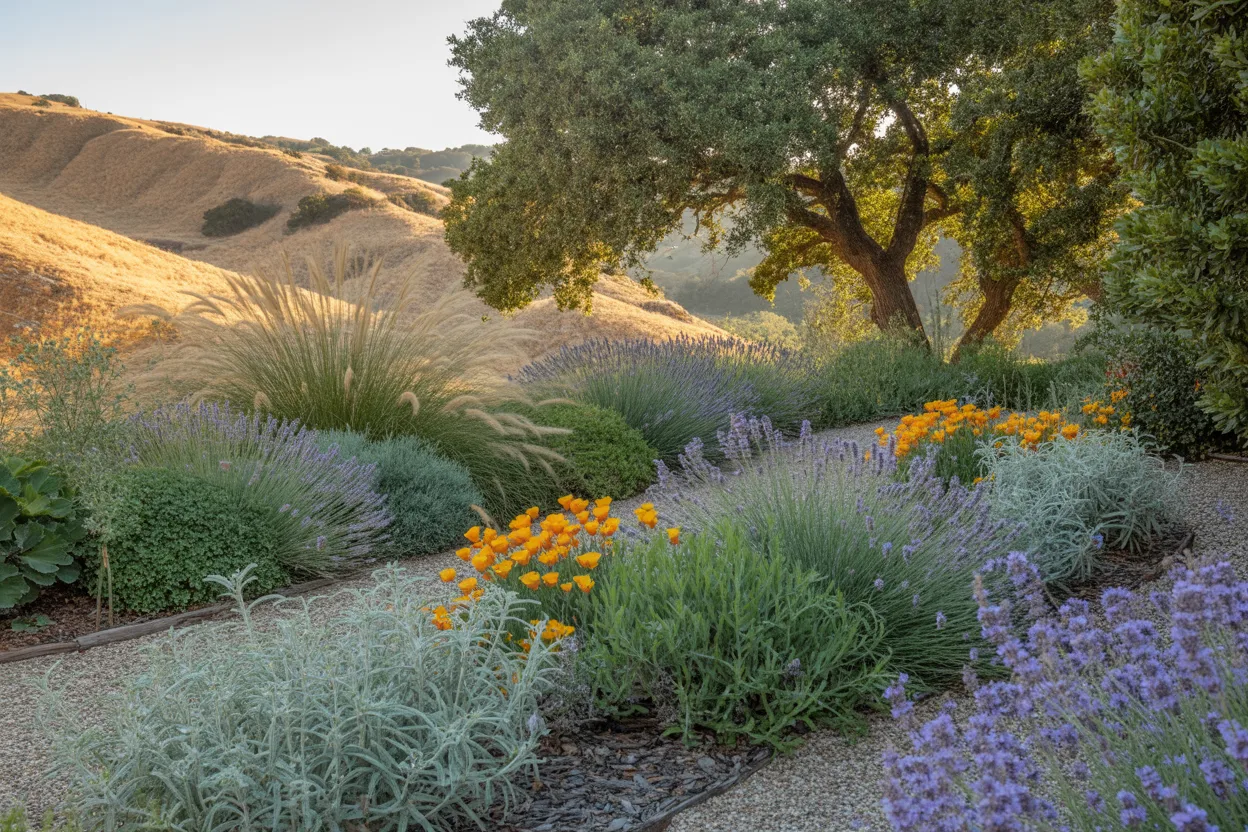
Northern California's Mediterranean climate, with wet winters and dry summers, strongly influences how landscapes perform. Local microclimates, from coastal fog to inland heat and valley winds, affect plant choices and irrigation needs. Water restrictions are tightening, and wildfire risk demands that fire-wise strategies be built into any sustainable design.
Native and Drought-Tolerant Plants
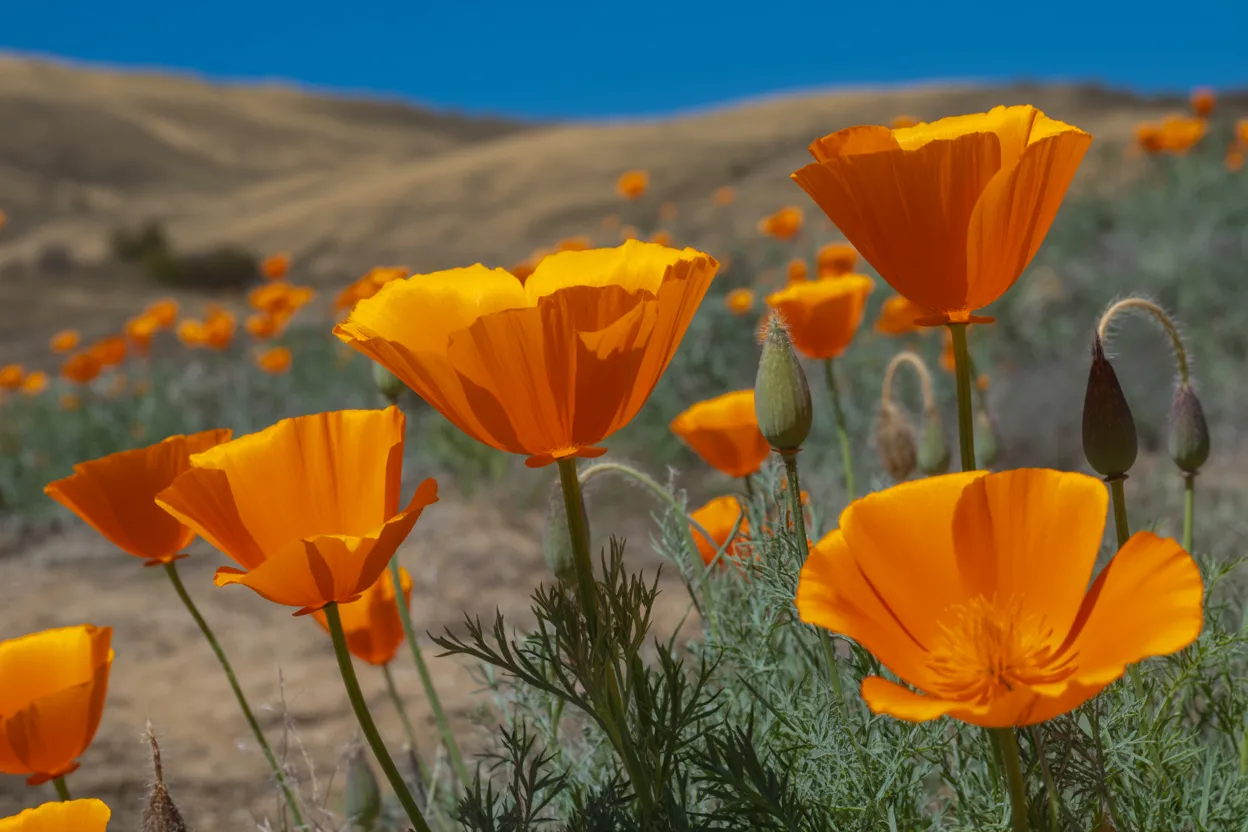
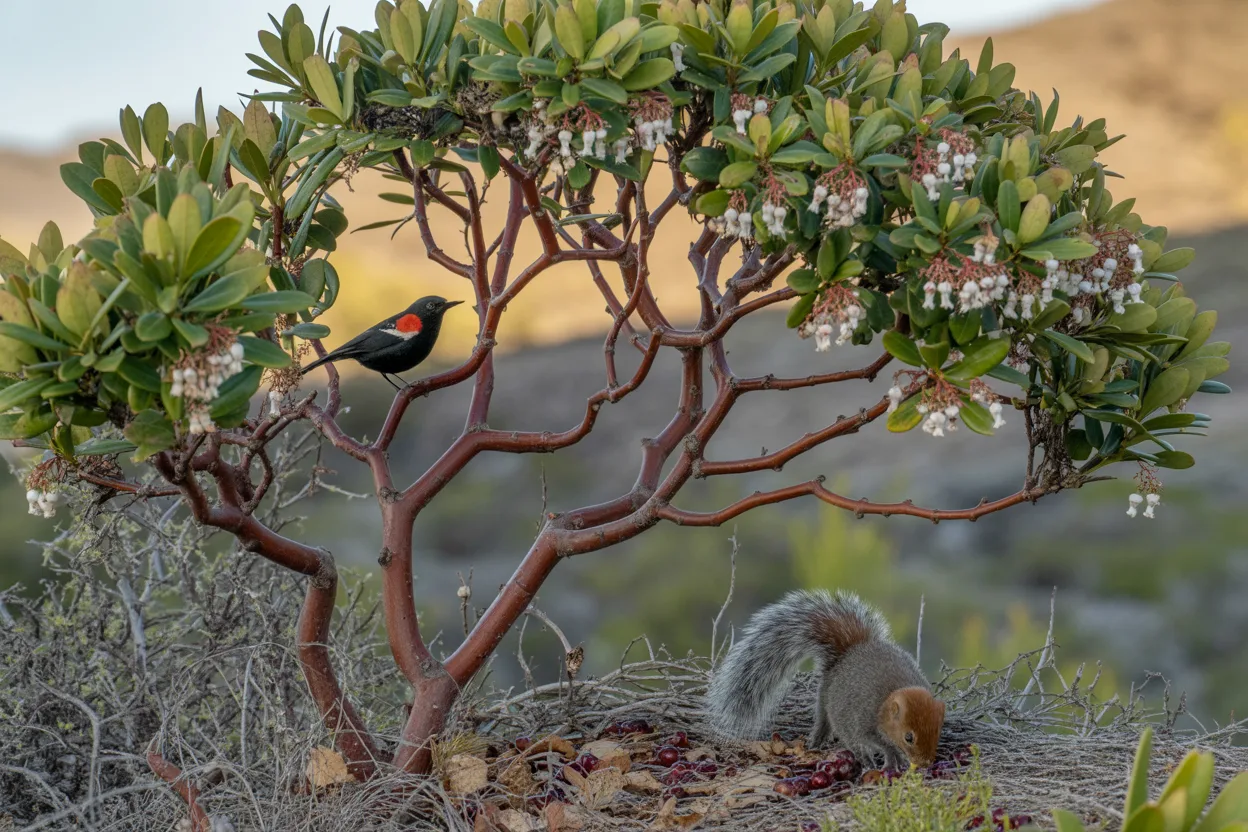
Using native and region-appropriate plants is the most effective sustainability strategy. These plants are adapted to local soil, rainfall patterns, and temperature swings, so they need less irrigation, fertilizer, and maintenance while providing essential habitat for birds, bees, butterflies, and beneficial insects.
Benefits of Native and Climate-Adapted Plants
Examples of Sustainable Plants for Northern California
| Plant | Botanical name | Why use it |
|---|---|---|
| California Poppy | Eschscholzia californica | Bright wildflower, minimal water |
| Purple Needlegrass | Stipa pulchra | Deep-rooted, excellent erosion control |
| California Fescue | Festuca californica | Ornamental grass, low water needs |
| California Coffeeberry | Frangula | Shrub, supports pollinators |
| Manzanita, Ceanothus, Toyon | Evergreen shrubs | High wildlife value |
Water Efficiency and Smart Irrigation
Water is precious in Northern California. Sustainable landscapes use smart irrigation systems and practices that deliver water precisely where and when it is needed, eliminating waste from the start. Learn more in our drip irrigation guide.
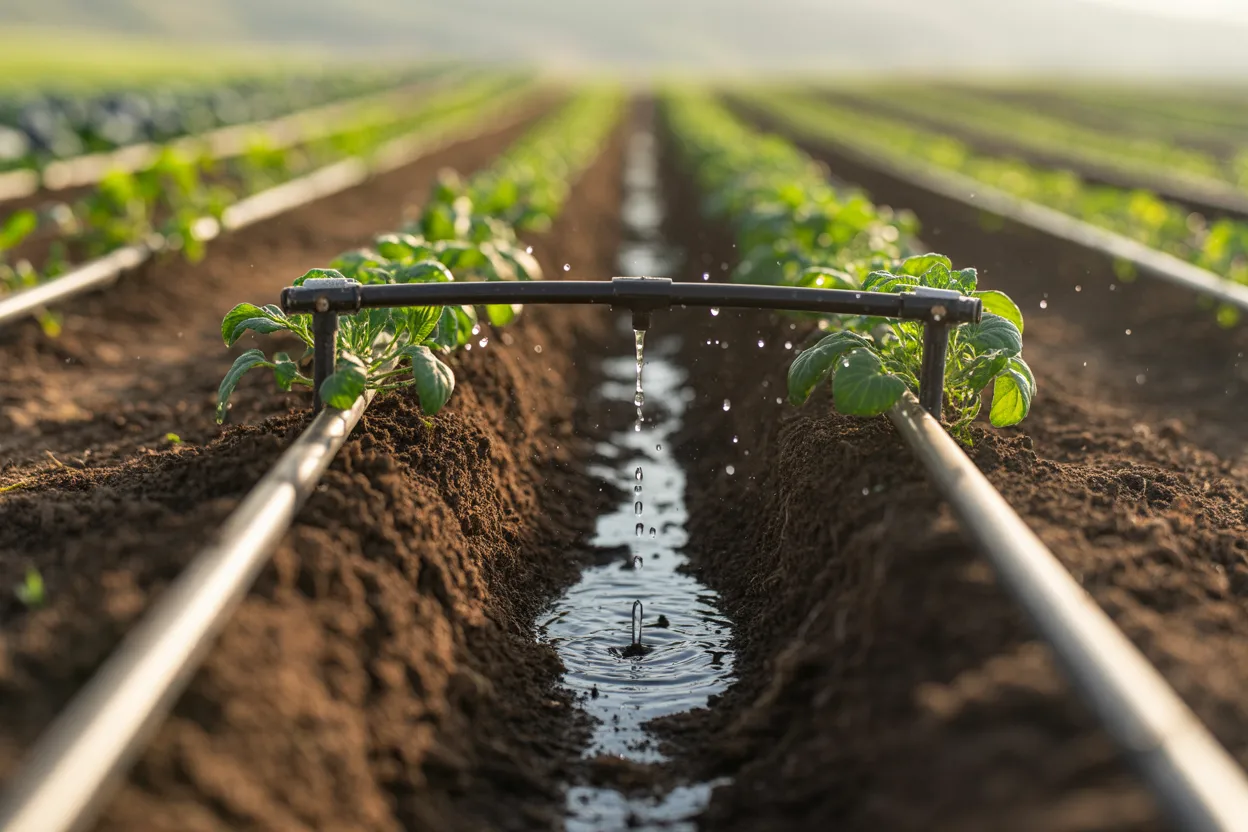
- Drip irrigation paired with smart controllers that adjust schedules based on weather
- Rainwater harvesting or cisterns to capture winter moisture for summer use
- Hydrozoning: grouping plants with similar water needs together
- Mulching to retain soil moisture and reduce evaporation
A well-designed smart irrigation system can cut outdoor water use by up to 50%. That's good for your water bill and even better for Northern California's limited supply.
Supporting Local Biodiversity
Sustainable landscapes do more than save water. They build habitat for birds, bees, butterflies, and beneficial insects. A diverse planting with flowers blooming at different times of the year supports wildlife through all seasons and improves the overall resilience of your garden.
Soil Health and Organic Practices
Healthy soil is the foundation of a sustainable landscape. Practices like composting, organic mulching, and avoiding synthetic chemicals protect groundwater, store carbon, and create a living soil that feeds your plants for years.
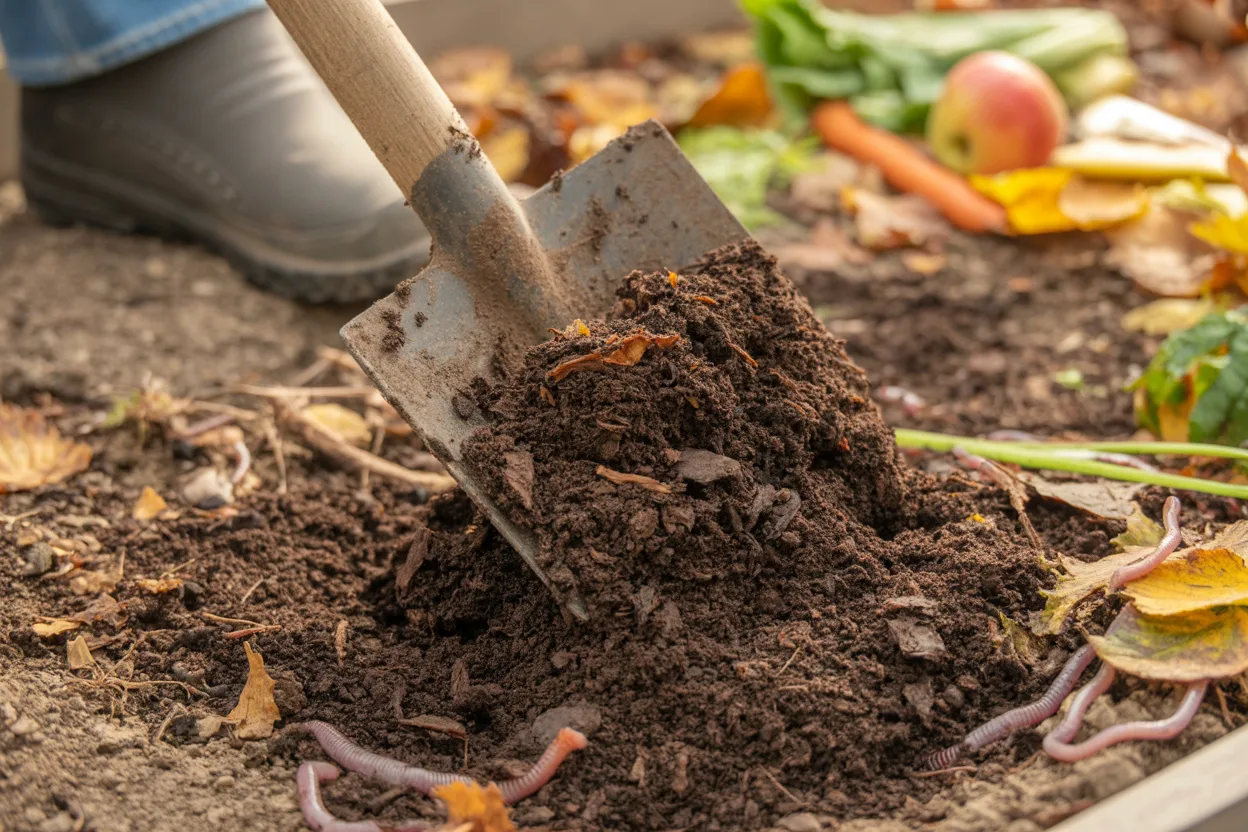
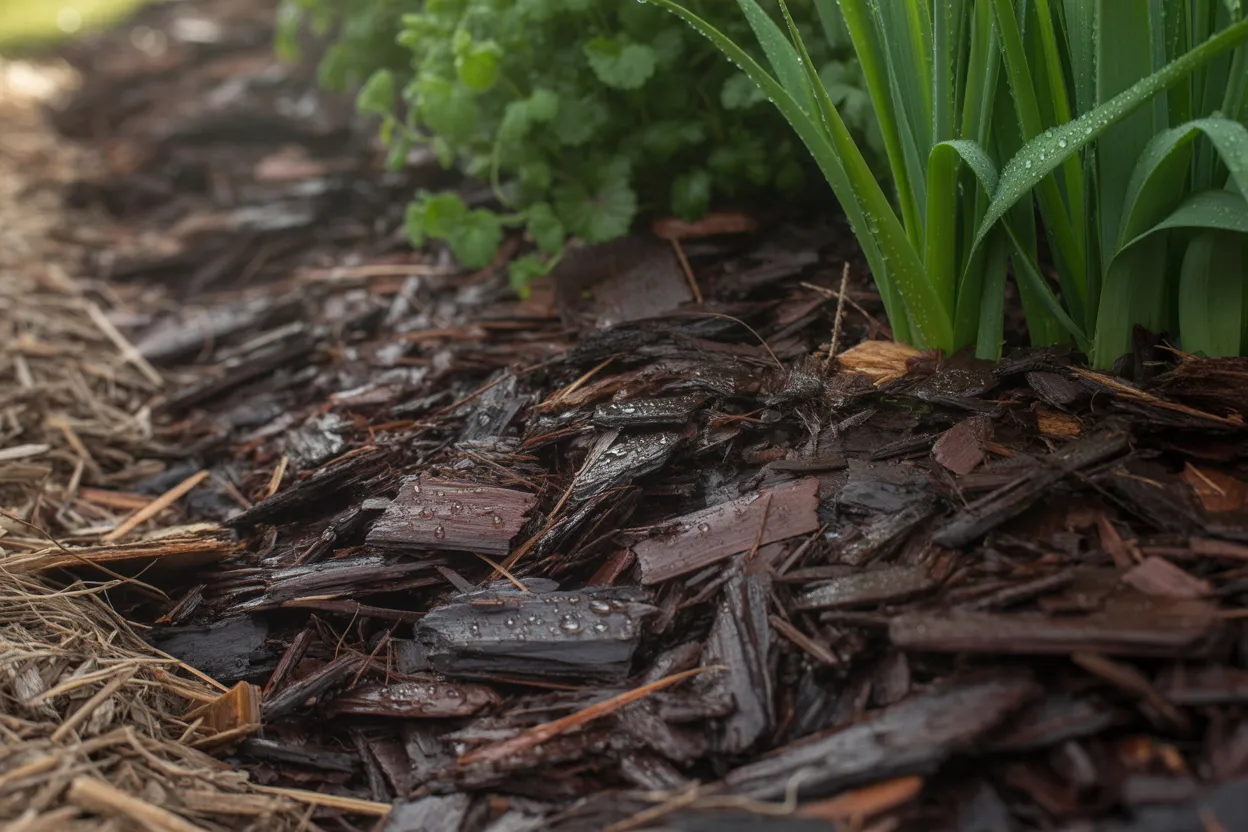
- Composting improves soil structure and adds nutrients without synthetic inputs
- Organic mulches retain moisture, suppress weeds, and slowly feed the soil
- Minimal soil disturbance preserves beneficial microbes and soil structure
- Avoiding synthetic fertilizers and pesticides protects groundwater and beneficial organisms
Soil isn't just dirt. It's a living ecosystem. Building healthy soil is the single best long-term investment you can make in your landscape.
Practical, Cost-Effective, and Essential
For Northern California homeowners and property managers, fire-safe and sustainable landscaping is practical, cost-effective, and essential. By selecting locally adapted plants, conserving water, improving soil health, and designing with nature in mind, you create a landscape that thrives in your environment while protecting property and supporting the planet.
At The Great Landscape LLC, we design and install sustainable landscapes tailored to Sonoma County's unique climate and regulations. From native plant gardens to drip irrigation systems, we bring your vision to life in a way that respects the environment and your budget. Wondering what it costs? See our Sonoma County landscaping cost guide.
Serving Healdsburg, Windsor, Santa Rosa, Petaluma, Geyserville, Cloverdale, Sebastopol, and all of Sonoma County. California License #1113978 · 5-star rated on Google, Yelp, and Facebook.
Sustainable Landscaping Questions, Answered
What is environmentally friendly (sustainable) landscaping?
It creates outdoor spaces that benefit people and nature by reducing water use, improving soil health, minimizing maintenance and waste, supporting wildlife and pollinators, cutting carbon emissions, and preventing erosion while maximizing habitat value.
What are the best native plants for Sonoma County?
Good choices include California poppy, purple needlegrass, California fescue, California coffeeberry, manzanita, ceanothus, and toyon. They are adapted to local soil, rainfall, and temperature swings, so they need less irrigation, fertilizer, and maintenance.
Do native plants need water?
Once established, many native and climate-adapted plants need little to no summer water. Newly planted ones still need proper watering to establish.
How can I save water in my landscape?
Use drip irrigation with a smart controller, group plants by water need (hydrozoning), mulch to reduce evaporation, and consider rainwater harvesting or cisterns. A well-designed smart irrigation system can cut outdoor water use by up to 50%.
How does sustainable landscaping support wildlife?
Diverse plantings with flowers that bloom at different times provide nectar, shelter, and seeds for birds, bees, butterflies, and beneficial insects through every season, and reduce pest outbreaks naturally.
How do I build healthy soil organically?
Compost, use organic mulch, disturb the soil as little as possible, and avoid synthetic fertilizers and pesticides. This protects groundwater, stores carbon, and creates living soil that feeds plants for years.
Can a sustainable landscape also be fire-safe?
Yes. In Northern California, fire-wise strategies such as defensible space and appropriate plant selection should be built into any sustainable design.
Do you design and install sustainable landscapes in Sonoma County?
Yes. We design and install sustainable landscapes, from native plant gardens to drip irrigation systems, across Healdsburg, Windsor, Santa Rosa, Petaluma, Geyserville, Cloverdale, Sebastopol, and all of Sonoma County.
Ready for a Detailed Estimate?
Let's design a sustainable landscape that works for you and for Northern California. We'll listen, assess your property, and provide a transparent plan. Or call 707-620-0968.
Water-saving figures are typical ranges and vary by site, plants, and existing system.