
Fire-Safe and Sustainable Landscaping in Northern California
Protect your home and property with professional fire-safe landscaping. Defensible space, plant selection, and maintenance strategies updated for 2026.
In this guide
What Is Fire-Safe Landscaping?
Fire-safe landscaping reduces wildfire risk by managing vegetation, improving spacing, and maintaining healthy, well-irrigated plants around structures. In wildfire-prone areas, proper planning and ongoing maintenance can significantly reduce the chance of ignition and fire spread. It also pairs naturally with sustainable landscaping practices.
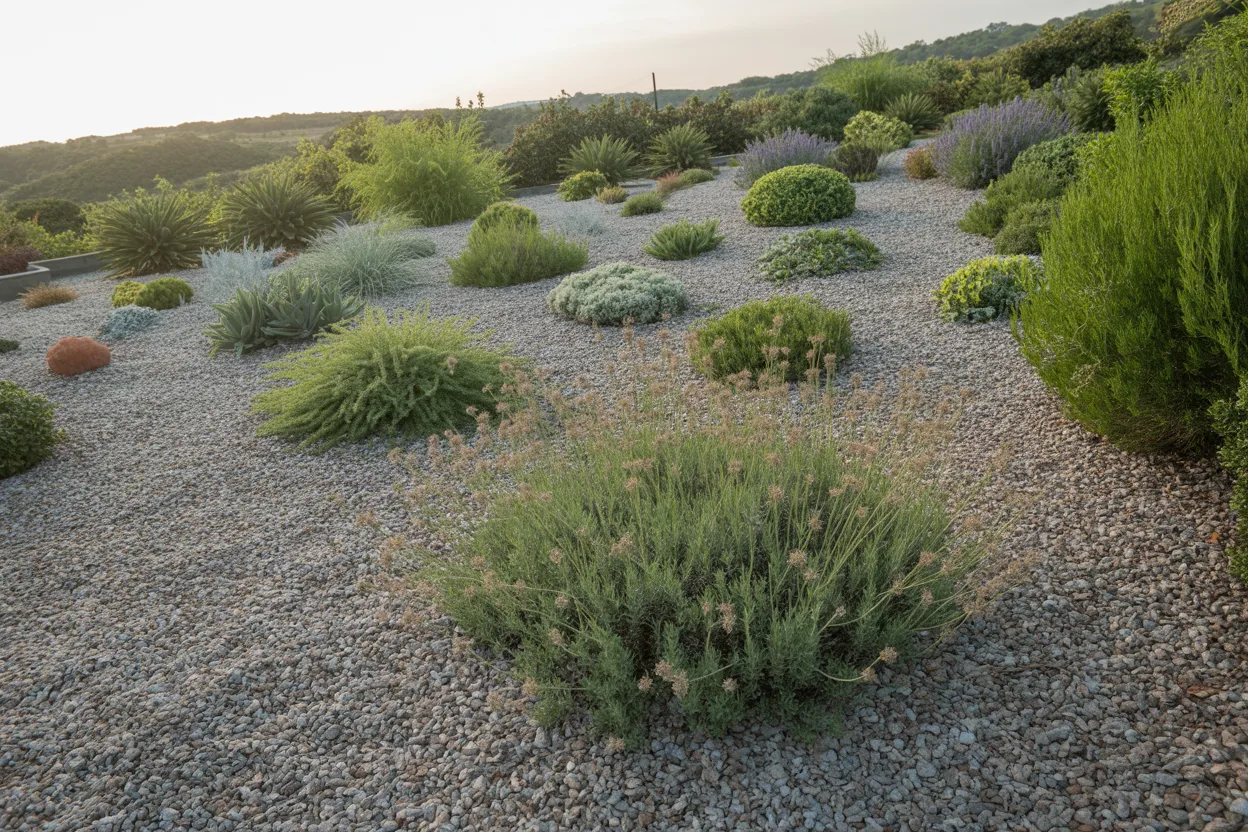
Initial Site Assessment
This step evaluates overall fire risk, vegetation conditions, plant types, and compliance with local fire regulations before work begins. It is the foundation of any fire-safe landscape plan.
Zone 0 (0-5 Feet from Structures)
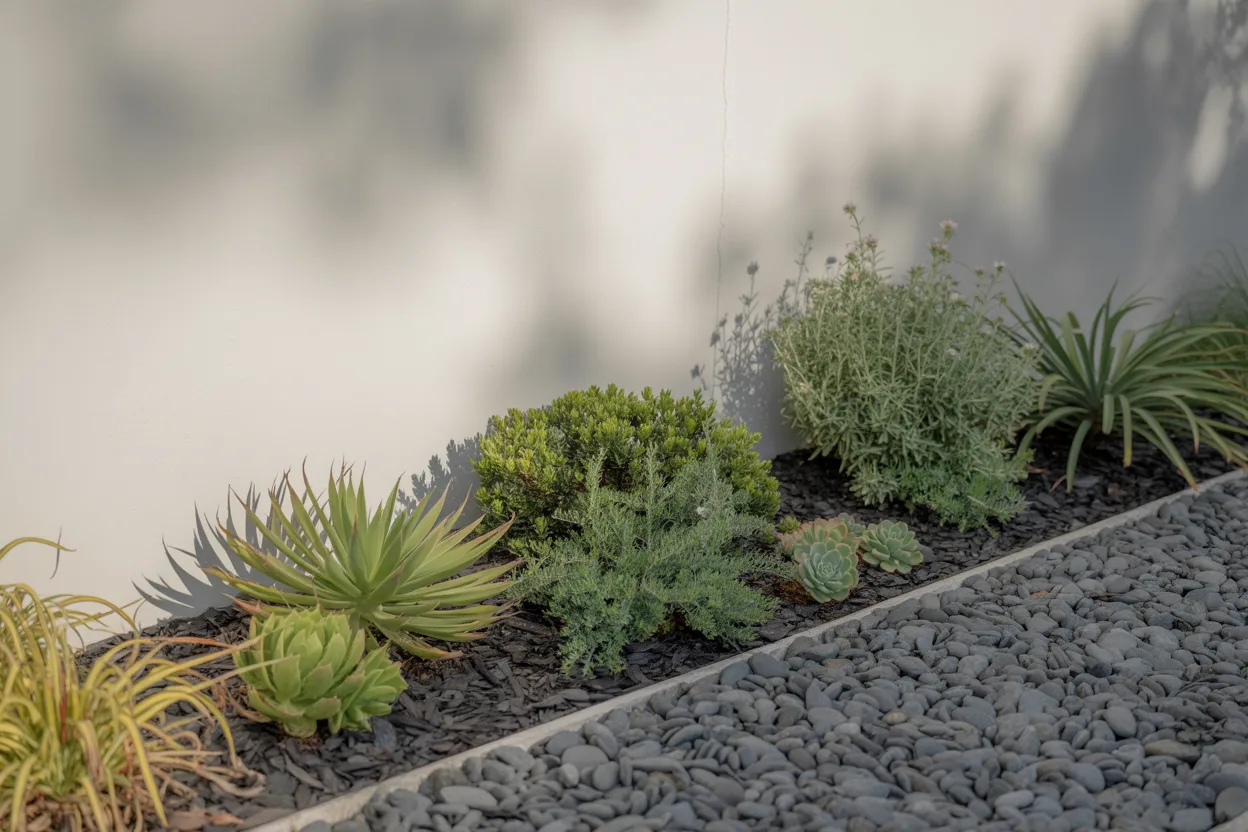
This is the most critical zone for fire protection. The goal is to eliminate anything that could ignite directly next to the home. We use gravel, stone, or hardscape instead of organic mulch.
- Remove combustible materials: wood mulch, leaves, debris
- Replace organic mulch with gravel or stone
- Keep plants low, spaced, and at least 6 inches from walls
- Clear gutters, roof valleys, decks, and entryways
- No vegetation touching siding, eaves, or roofing
Zone 0 must be lean, clean, and green. This zone is designed to resist ignition and is the single most effective measure you can take to protect your home.
Zone 1 (5-30 Feet)
This zone reduces fire intensity through proper pruning, spacing, and removal of ladder fuels. It slows fire spread and lowers flame length as fire approaches the structure.
- Prune shrubs and trees for horizontal spacing and vertical clearance (min 10 ft between shrub tops and tree canopies)
- Mow or trim grasses to 4 inches or less
- Remove ladder fuels: low branches, vines, brush beneath trees
- Clear dead or dry vegetation regularly
- Monitor irrigation to keep plants hydrated
Zone 2 (30-100 Feet or Property Perimeter)
This zone slows wildfire spread and improves firefighter access by thinning vegetation and removing dead or hazardous material. It maintains a natural look while reducing fuel continuity.
- Thin tree and shrub density to prevent continuous fuel beds
- Remove fallen branches, deadwood, and excessive leaf litter
- Maintain separation between tree canopies
- Cut tall grasses and weeds before fire season
- Confirm clear access routes for emergency vehicles
Zone 2 does not require removing all vegetation, only managing it strategically. Proper thinning and maintenance are enough to significantly reduce fire behavior.
| Zone | Distance | Goal |
|---|---|---|
| Zone 0 | 0-5 ft | Remove anything that could ignite next to the home; gravel, stone, or hardscape |
| Zone 1 | 5-30 ft | Reduce fire intensity with pruning, spacing, and removal of ladder fuels |
| Zone 2 | 30-100 ft or perimeter | Slow fire spread and improve firefighter access by thinning and clearing |
Irrigation and Plant Health
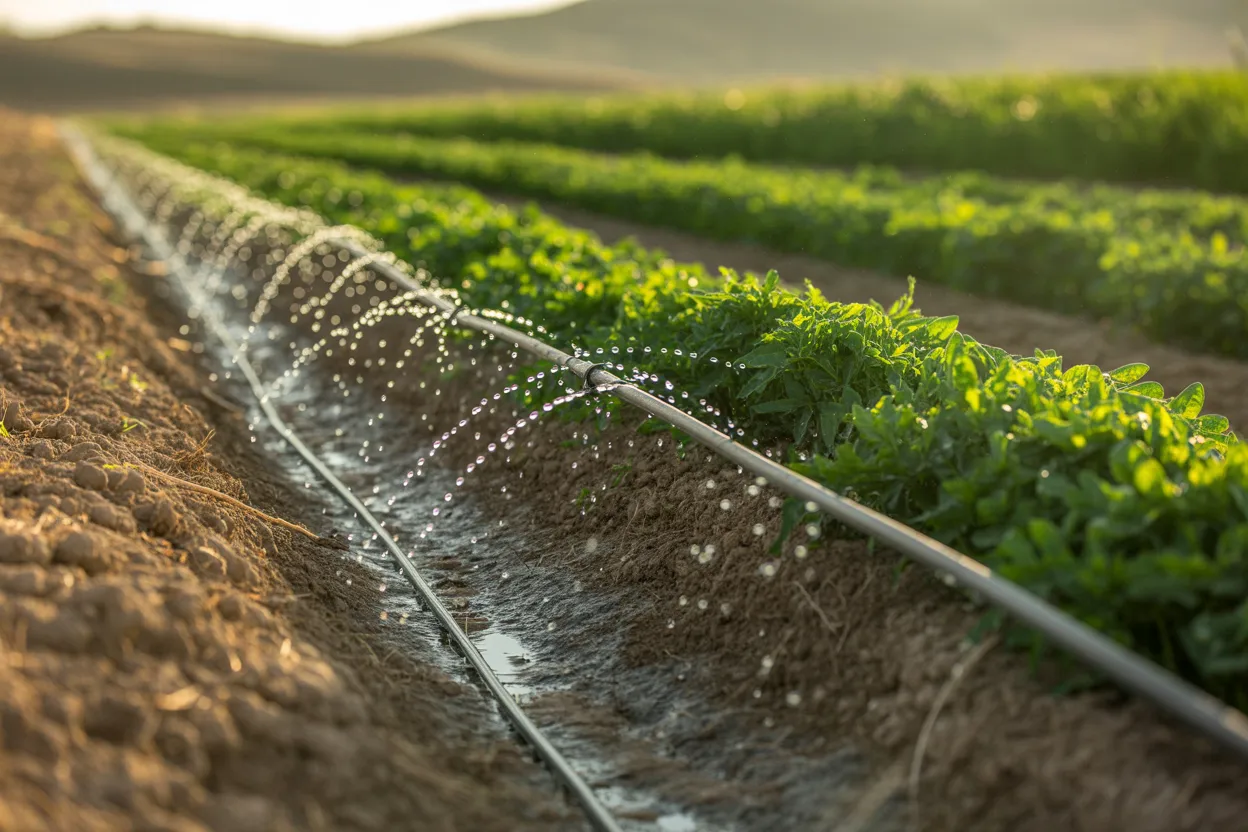
Healthy, hydrated plants are less likely to ignite. Proper irrigation plays a key role in both fire-safe and sustainable landscapes. Stressed or dying plants are far more flammable. See how drip irrigation keeps plants healthy and saves water.
- Inspect all irrigation zones for leaks, breaks, or dry areas
- Adjust watering schedules seasonally
- Replace stressed or diseased plants with fire-resistant options
- Group plants by similar water needs for efficiency
- Ensure plants near structures stay green and hydrated
Hardscape and Structural Checks
Hardscape elements can either help stop fire or contribute to its spread, depending on materials and placement. We inspect decks, fences, retaining walls, and utility areas for combustible materials.
Cleanup and Disposal
Proper disposal is as important as pruning and clearing. We remove all cut vegetation promptly and never leave piles that can become new fire hazards.
- Remove all pruned and cleared vegetation from the site
- Chip or haul green waste instead of stockpiling on-site
- Dispose of debris according to local fire-safe regulations
Ongoing Maintenance and Documentation
Fire-safe landscaping is not a one-time service. It requires regular attention and documentation to remain effective throughout fire season and beyond.
- Establish a weekly, monthly, or seasonal maintenance schedule
- Keep logs and photo documentation of conditions and work done
- Review recommendations with the property owner or manager
- Schedule follow-up inspections or seasonal cleanups
- Provide guidance on plant replacements and long-term fire safety
Fire-safe landscaping protects lives, property, and investments. Regular maintenance and proper planning are essential, especially in wildfire-prone areas like Sonoma County.
Serving Healdsburg, Windsor, Santa Rosa, Petaluma, Geyserville, Cloverdale, Sebastopol, and all of Sonoma County. California License #1113978 · 5-star rated on Google, Yelp, and Facebook. Planning a project? See our landscaping cost guide.
Fire-Safe Landscaping Questions, Answered
What is fire-safe landscaping?
Fire-safe landscaping reduces wildfire risk by managing vegetation, improving spacing, and maintaining healthy, well-irrigated plants around structures. In wildfire-prone areas, proper planning and ongoing maintenance can significantly reduce the chance of ignition and fire spread.
What is Zone 0 and why does it matter?
Zone 0 is the 0-5 feet next to your home and the most critical zone for fire protection. Remove anything that could ignite, use gravel, stone, or hardscape instead of organic mulch, keep plants low and spaced at least 6 inches from walls, and keep vegetation off siding, eaves, and roofing.
What should I do in Zone 1 (5-30 feet)?
Prune shrubs and trees for horizontal spacing and vertical clearance (at least 10 ft between shrub tops and tree canopies), keep grasses at 4 inches or less, remove ladder fuels such as low branches, vines, and brush beneath trees, clear dead or dry vegetation regularly, and keep plants hydrated.
What should I do in Zone 2 (30-100 feet)?
Thin tree and shrub density to prevent continuous fuel beds, remove fallen branches, deadwood, and excess leaf litter, keep separation between tree canopies, cut tall grasses and weeds before fire season, and keep access clear for emergency vehicles. Zone 2 does not require removing all vegetation, only managing it.
Does irrigation help with fire safety?
Yes. Healthy, hydrated plants are less likely to ignite, and stressed or dying plants are far more flammable. Inspect irrigation zones for leaks and dry areas, adjust schedules seasonally, and keep plants near structures green.
Are hardscape and gravel good for fire safety?
Gravel and stone borders act as non-combustible firebreaks. Decks, fences, and other structures near the house should use ignition-resistant materials, and propane tanks, sheds, and meters should be kept free of debris.
How often does fire-safe landscaping need maintenance?
It is not a one-time service. Set a weekly, monthly, or seasonal schedule, keep logs and photos of conditions and work done, and schedule follow-up inspections or seasonal cleanups.
Do you offer fire-safe landscaping in Sonoma County?
Yes. We evaluate your property and provide a transparent proposal across Healdsburg, Windsor, Santa Rosa, Petaluma, Geyserville, Cloverdale, Sebastopol, and all of Sonoma County.
Ready for a Detailed Estimate?
Protect your home and landscape with a customized fire-safe plan. We'll evaluate your property and provide a transparent proposal. Or call 707-620-0968.
General guidance only. Always confirm current defensible space and clearance requirements with your local fire authority.