How Much Does Landscaping Cost in Sonoma County?
A transparent, no-fluff guide to landscaping installation pricing in Healdsburg, Santa Rosa, Windsor, and across Northern California, updated for 2026.
Why Landscaping Costs Vary So Much
One of the most common questions homeowners and property managers ask is: "How much does landscaping cost?" The honest answer is it depends. Landscaping installation costs in Sonoma County can range from a few thousand dollars for a small planting project to well over $100,000 for a full residential transformation with hardscape, irrigation, and custom planting.
At The Great Landscape LLC, we believe in full transparency. This guide breaks down exactly what drives installation costs so you can plan your project with confidence and understand what you're paying for and why.
Every property is unique. Professional estimates are always based on a site-specific evaluation, not flat or online pricing. Two projects that look the same on paper can have very different costs once conditions are assessed on the ground.
Key Cost Factors
Paver and Hardscape Installation Costs in Sonoma County
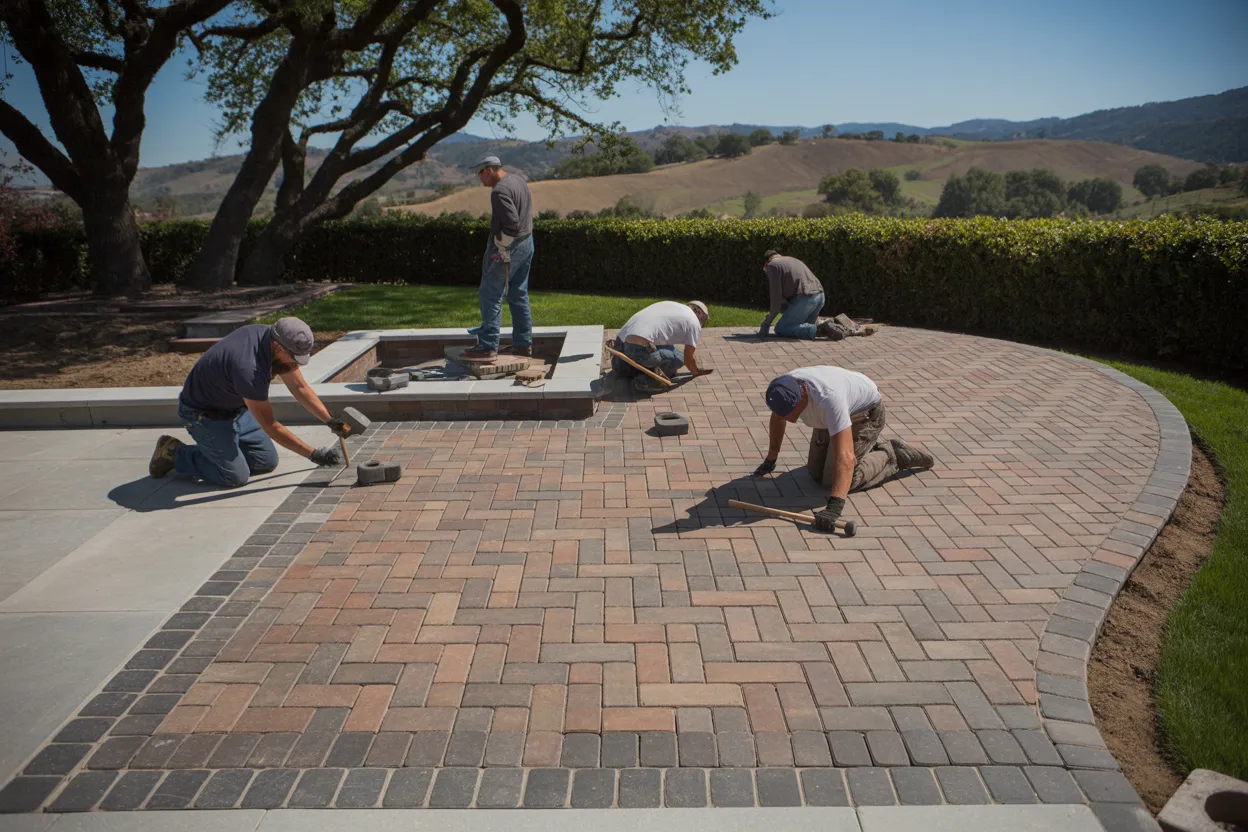
Hardscape, including patios, walkways, retaining walls, and decorative stonework, is one of the most requested and most variable categories of landscape installation. Pavers are a great example of how widely costs can range based on just a few decisions.
What Affects Paver Costs?
- Type of paver: concrete vs. natural stone vs. porcelain
- Pattern and layout complexity: simple grid vs. herringbone or custom designs
- Base preparation depth, compaction, and drainage requirements
- Soil conditions: clay, fill dirt, or sloped terrain increases labor
- Site access: tight spaces and limited equipment clearance add cost
- Steps, curves, retaining walls, and elevation changes
Skipping base preparation is the number one cause of paver failure. Proper compaction and drainage may add upfront cost, but cutting corners almost always leads to settling, shifting, and expensive repairs within a few years.
Plant Installation Costs: What Size Plants Cost in 2026
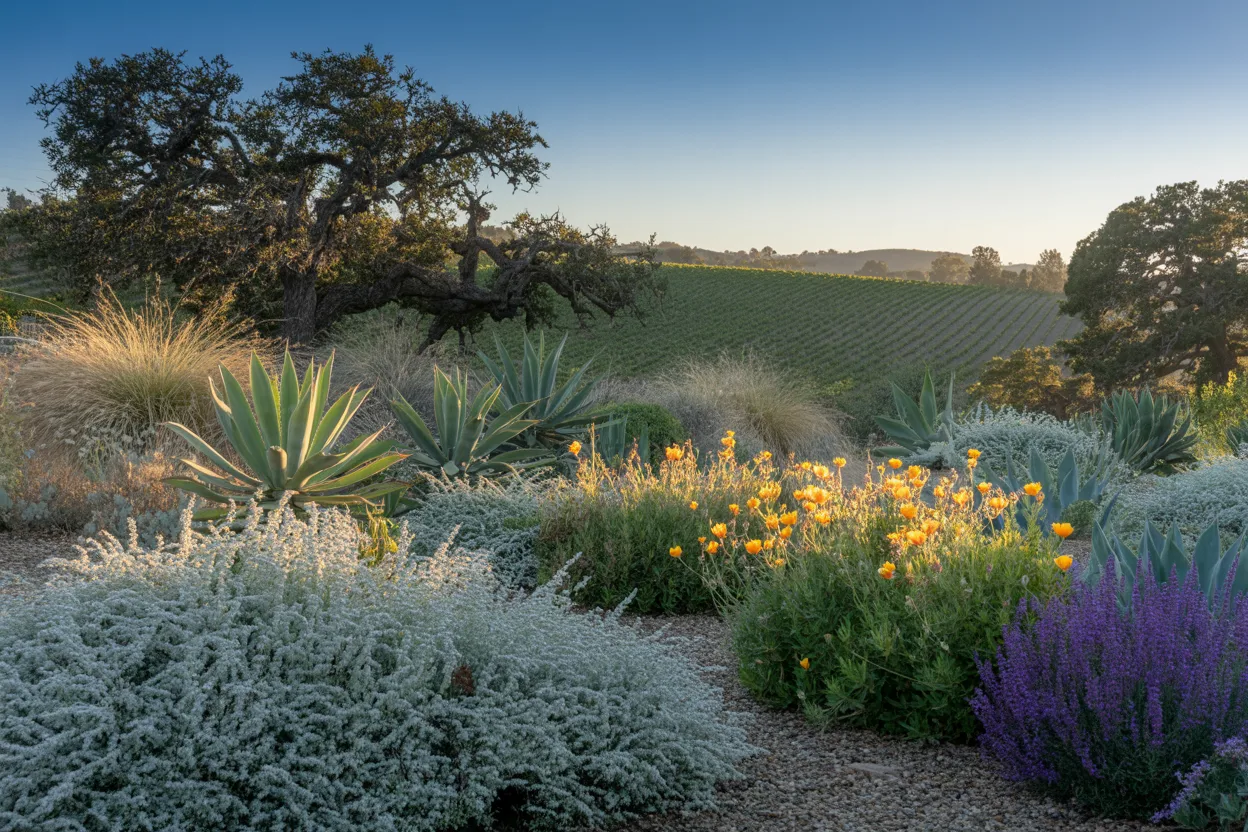
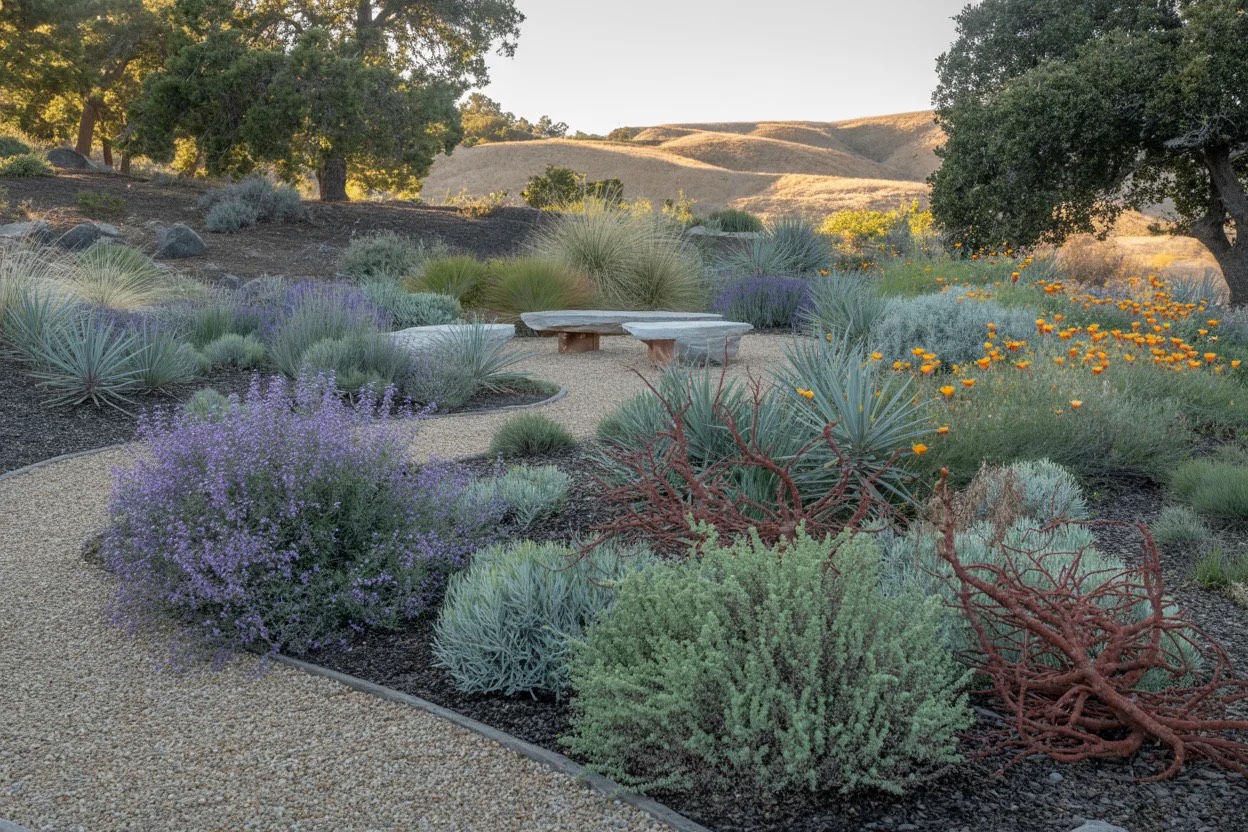
Planting costs in Sonoma County depend heavily on plant size, quantity, soil conditions, and how accessible the site is. Larger plants cost significantly more to install, not just because of the plant price, but because of the equipment, labor, and handling required to place them correctly.
| Plant Size | Typical Install Price | Notes |
|---|---|---|
| 4" Pot | $15 / each | Ground cover, small perennials |
| 1-Gallon | $26 / each | Shrubs, ornamental grasses |
| 5-Gallon | $75 / each | Mid-size shrubs and small trees |
| 15-Gallon | $165 / each | Accent trees, large shrubs |
| 24" Box Tree | $650 / each | Mature trees, specimen plantings |
Prices vary based on availability, quantity, and site conditions. Additional costs include soil amendments, compost, mulch, and staking, all of which improve long-term plant health and reduce replacement costs over time.
Irrigation System Installation Costs in Northern California
A properly designed irrigation system is one of the best investments you can make in a Sonoma County landscape, especially given the region's water restrictions and dry summers. Costs vary depending on the number of zones, type of system, and whether you're working with an existing system or starting fresh.
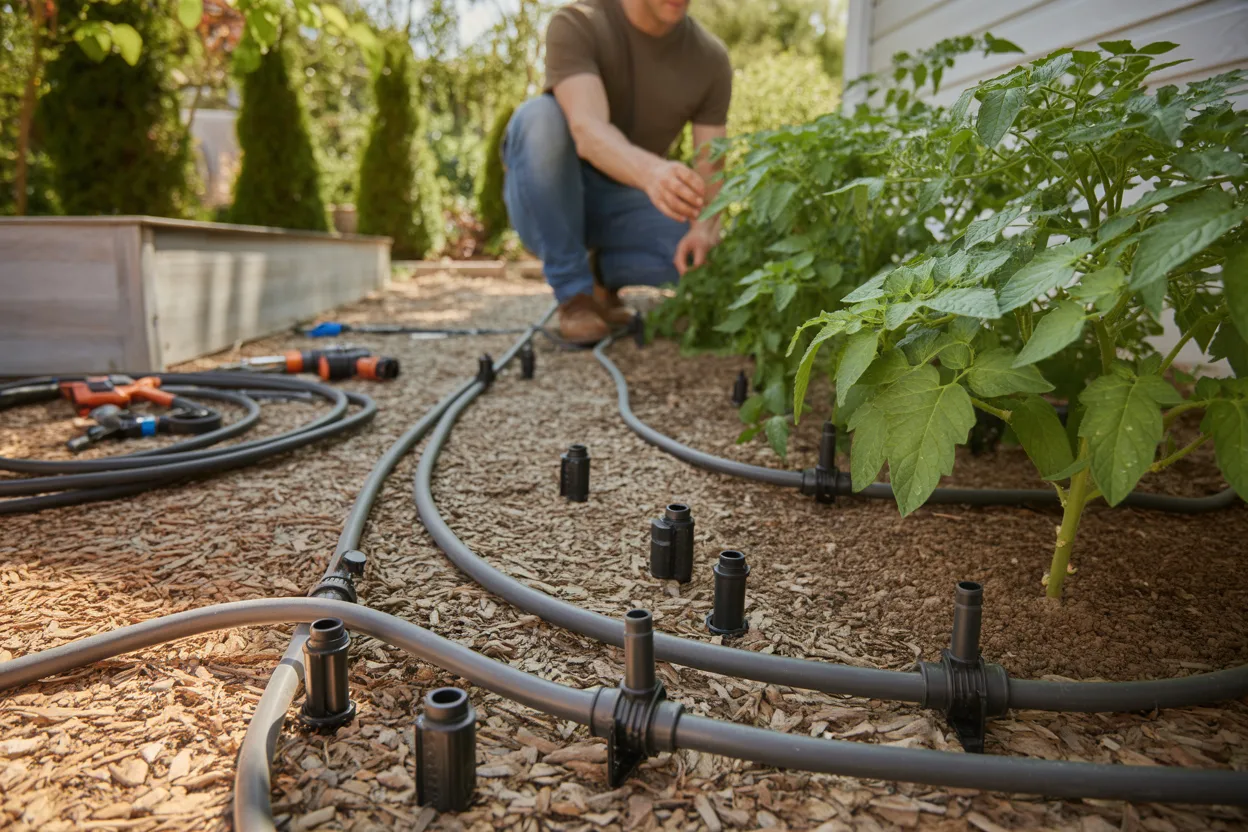
| Component | Typical Price | Notes |
|---|---|---|
| Main Line | $8.00 / LF | Per linear foot installed |
| Drip Valve | $250 / each | Per zone, includes valve box |
| Sprinkler Head | $65 / each | Installed, pop-up or rotary |
| Standard Controller (4-16 station) | $600 / each | Basic timer controller |
| Smart Controller (8-32 station) | Price varies | Weather-based, app-connected |
Smart irrigation systems save water and money long-term. In Northern California's climate, a weather-based controller can reduce water usage by 20-50% compared to a standard timer, often paying for itself within one to two seasons.
Soil Preparation and Grading Costs
Soil work is one of the most important and most overlooked parts of any landscaping installation. Good soil preparation improves plant health, reduces irrigation needs, and prevents drainage problems that are expensive to fix after the fact.
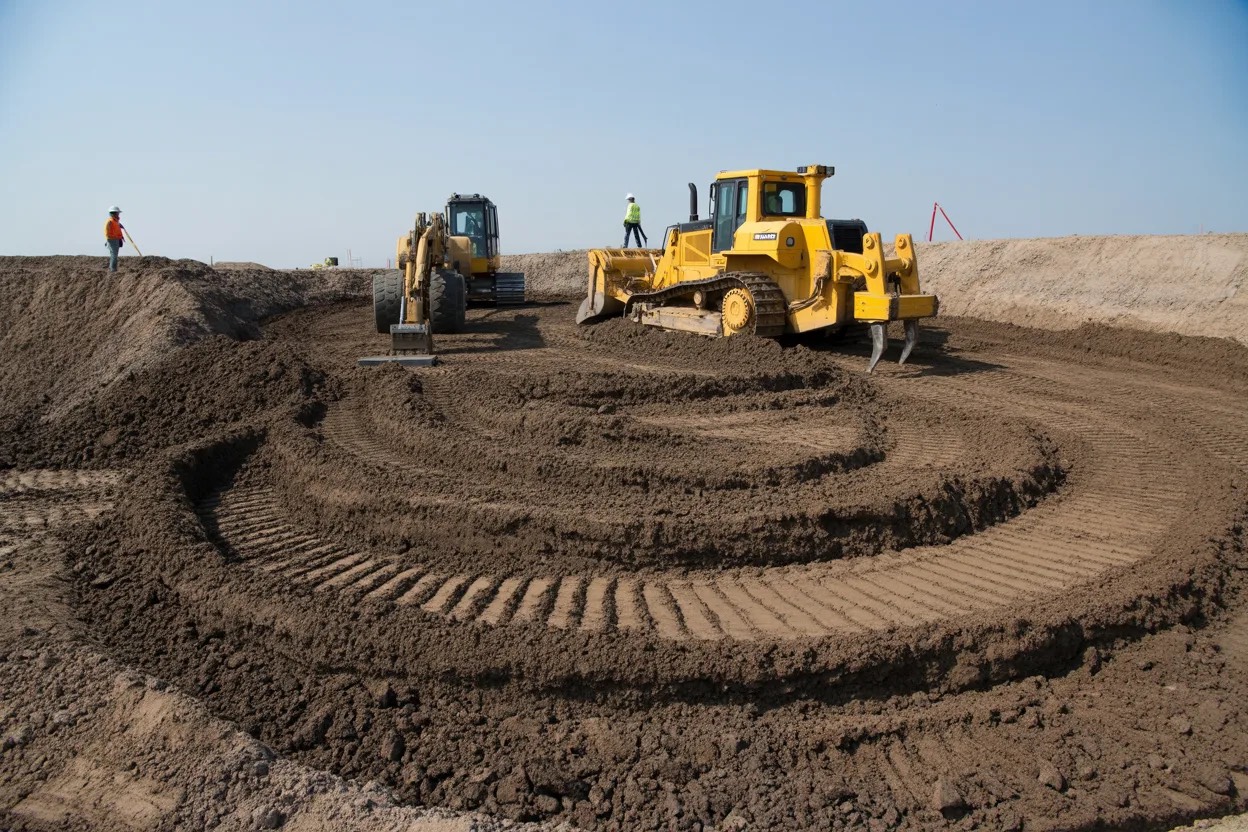
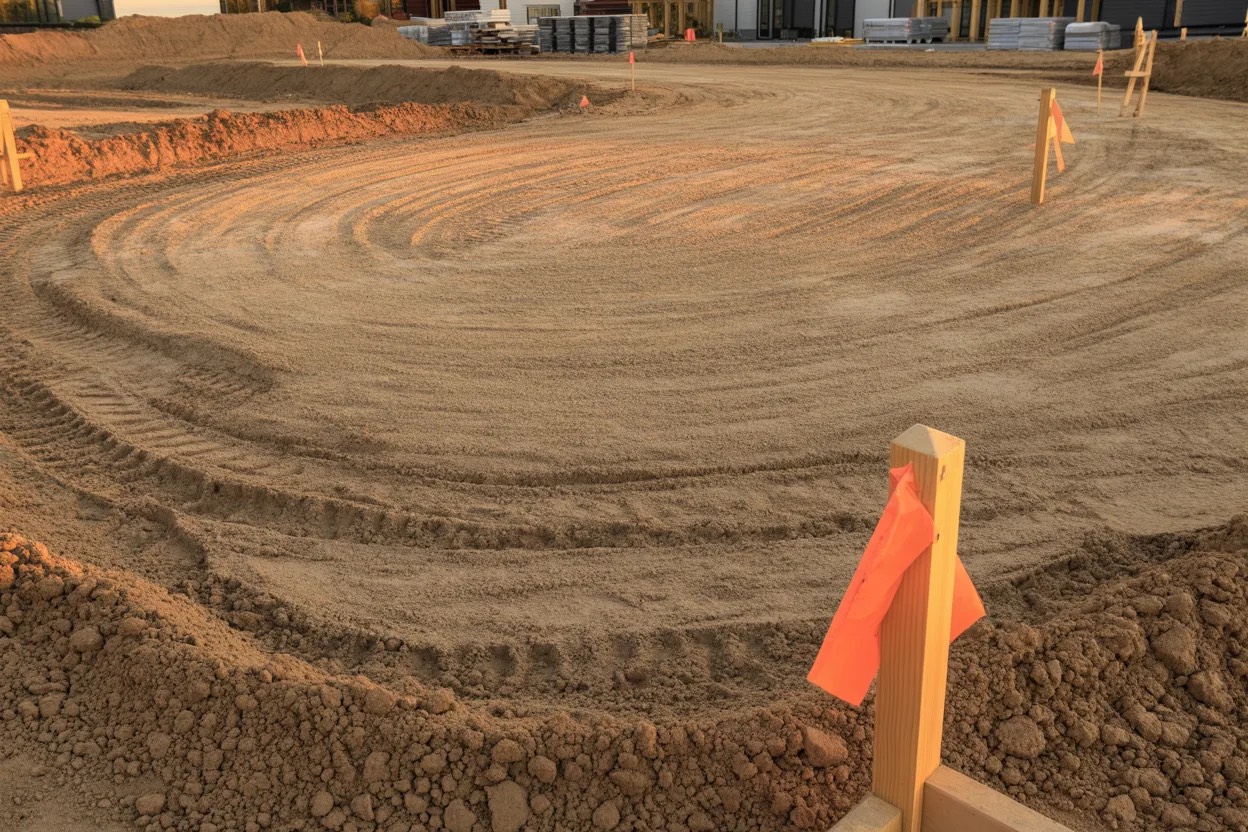
- Heavily compacted or clay-heavy soils require additional breaking, amendments, and compost
- Slopes that need reshaping or stabilization add grading and equipment time
- Drainage corrections such as French drains, swales, or dry creek beds are often essential
- Good soil preparation reduces long-term irrigation needs and plant replacement costs significantly
Why Very Low Bids Are Often a Red Flag
If you receive a bid that seems unusually low compared to others, it is worth asking why. In our experience, low bids in landscaping almost always come with hidden trade-offs that cost more to fix down the road.
Unusually low bids often mean: inadequate base preparation, skipped soil work, lower-quality materials, unlicensed labor, and shortcuts that lead to failure. Quality installation focuses on long-term performance, not just the lowest number on paper.
How The Great Landscape LLC Prices Installation Projects
We base every estimate on a thorough site evaluation, not guesswork or flat rates pulled from a price sheet. When we visit your property, we assess soil conditions, access, slope, existing irrigation, and your design goals before putting together a proposal.
- On-site evaluation of your specific property conditions
- Material selection aligned with your goals, budget, and Northern California's climate
- Transparent line-item proposals with no hidden costs or vague lump sums
- Proper preparation methods that ensure long-term performance
- Full compliance with local fire-safe defensible space and code requirements
Serving Healdsburg, Windsor, Santa Rosa, Petaluma, Geyserville, Cloverdale, Sebastopol, and all of Sonoma County. California License #1113978 · 5-star rated on Google, Yelp, and Facebook.
Landscaping Cost Questions, Answered
How much does landscaping cost in Sonoma County?
It depends on the property. Installation projects range from a few thousand dollars for a small planting job to well over $100,000 for a full residential transformation with hardscape, irrigation, and custom planting. The only reliable number comes from a site-specific estimate.
How much does a paver patio cost per square foot?
Installed pavers typically run $20-$35+ per square foot in Sonoma County. Concrete pavers with standard patterns are around $20-$26 per square foot, and natural stone is about $28-$35+. Curves, steps, and elevation changes can add 20-40%.
How much does it cost to install plants and shrubs?
Typical installed prices are $15 for a 4" pot, $26 for a 1-gallon, $75 for a 5-gallon, $165 for a 15-gallon, and $650 for a 24" box tree. Soil amendments, compost, mulch, and staking are extra.
How much does irrigation installation cost?
Main line is about $8.00 per linear foot, sprinkler heads about $65 each, drip valves about $250 each, and a standard 4-16 station controller about $600. Smart controllers are priced by project.
Is a smart irrigation controller worth it?
In Northern California's climate, a weather-based controller can reduce water use by 20-50% compared to a standard timer, often paying for itself within one to two seasons.
What does soil preparation and grading cost?
The base rate is about $1.50 per square foot. Compacted soil, slopes, and drainage problems add to that, so the final number is set after a site visit.
Why is one landscaping bid so much lower than the others?
Very low bids often mean inadequate base preparation, skipped soil work, lower-quality materials, or unlicensed labor. Ask what is included, and compare line-item proposals rather than totals.
Do you offer free estimates, and where do you work?
Yes. We offer a free on-site consultation and respond to every inquiry personally, usually within 1-2 business days. We serve Healdsburg, Windsor, Santa Rosa, Petaluma, Geyserville, Cloverdale, Sebastopol, and all of Sonoma County.
Ready for a Site-Specific Estimate?
The best way to understand your project cost is a free on-site consultation.
We respond to every inquiry personally, usually within 1-2 business days. Prefer to talk? Call 707-620-0968.
Prices are typical 2026 ranges for Sonoma County, shown as guidance only and not a quote. Actual cost depends on site conditions, materials, and project scope.
Enjoy every single day
Wish you happiness